

How to organise evidence
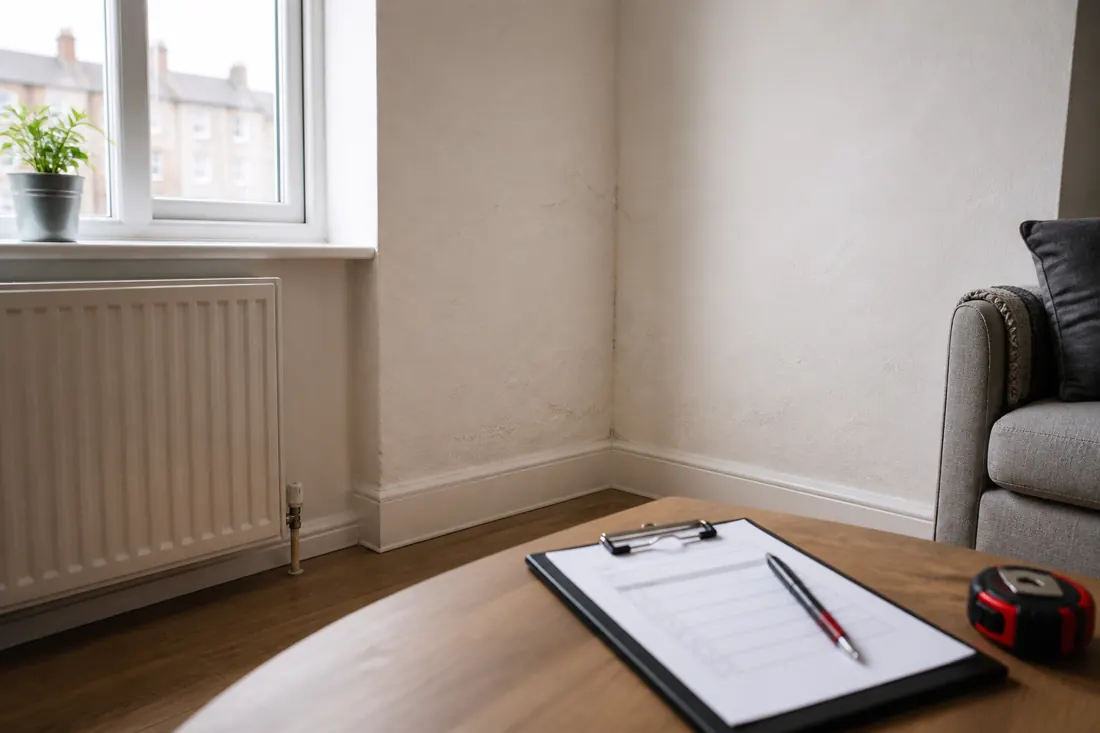
Photos, dates, messages, repair references, and a short timeline can make the first enquiry clearer.
Read the evidence checklistIf damp, mould, leaks, heating problems, unsafe electrics, pest issues, or ignored repairs are affecting your home, ClaimGrid can help you organise the basic details and understand what the next step may involve.
Short, practical topics for people who want to understand what information may matter before taking the next step.
Photos, dates, messages, repair references, and a short timeline can make the first enquiry clearer.
Read the evidence checklist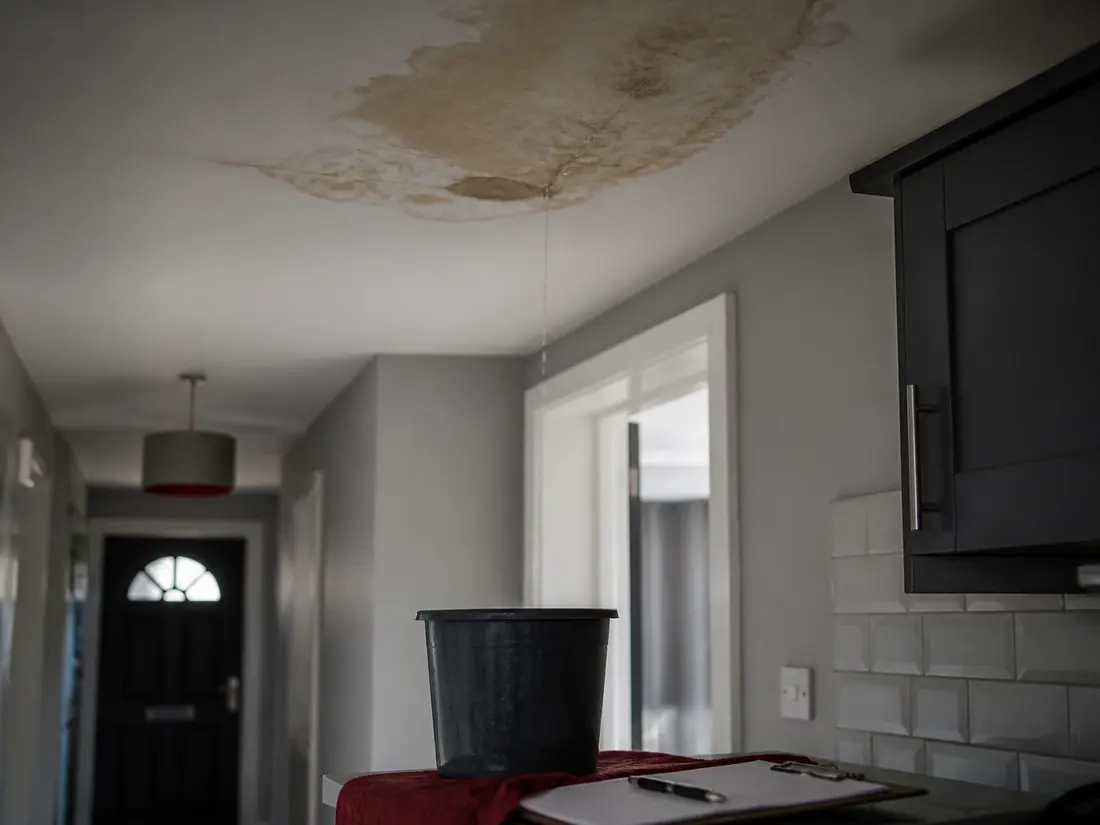
The starting point is usually what was reported, when it was reported, and what response followed.
Check the key points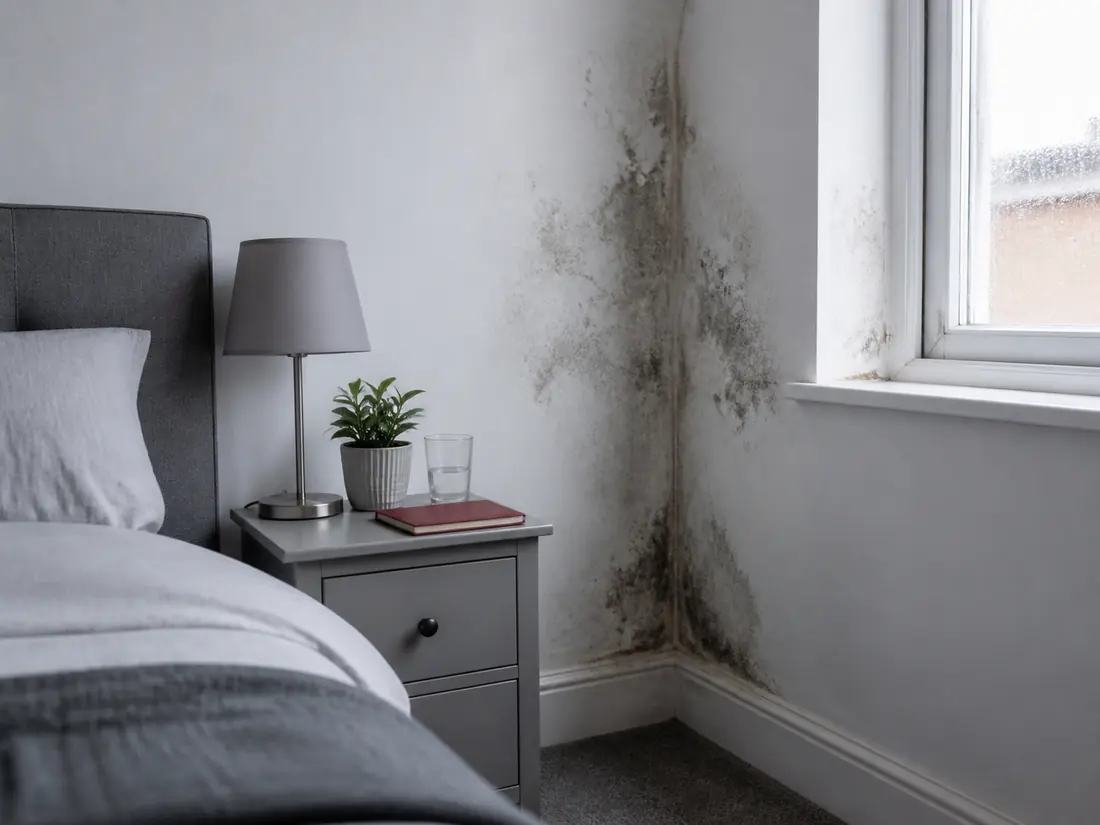
Damp and mould may need review where it is linked to disrepair or creates a health and safety concern.
View issue typesA housing disrepair enquiry usually starts with three questions: what repair problem exists, whether the landlord or housing provider knew about it, and whether the issue was dealt with in a reasonable way.
ClaimGrid does not decide eligibility on this page. We help organise the basic information so the enquiry can be discussed more clearly.
Every matter depends on its facts. These points can help you understand whether your enquiry is ready to discuss.
Damp, mould, leaks, unsafe electrics, heating failure, broken fittings, pest issues, or structural problems may need review.
Written reports are helpful, but texts, emails, repair portals, phone logs, and reference numbers can also help build a timeline.
The question is often whether the landlord, council, or housing association had a reasonable opportunity to inspect or repair.
The effect may involve daily disruption, rooms that cannot be used properly, damaged belongings, health concerns, or repeated chasing.
The issue list below is not a decision on eligibility. It shows common repair problems that people often need help organising before an enquiry can be reviewed.
Useful first details include the room affected, when the problem started, when it was reported, and what response you received.
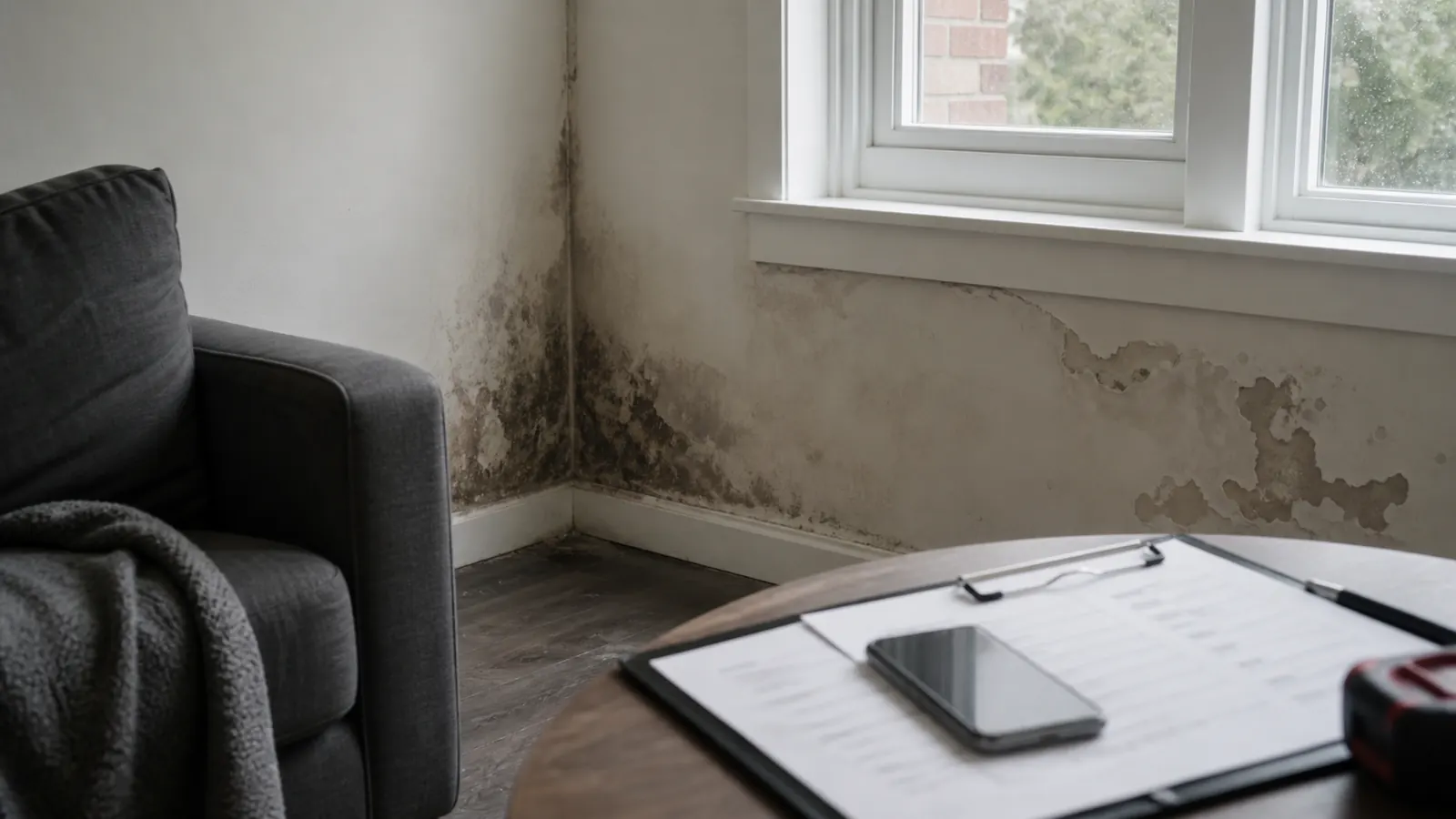
Often linked to leaks, defective windows, poor ventilation, cold rooms, or wider repair problems.
Roof leaks, pipe leaks, ceiling stains, damaged plaster, and recurring water ingress may need a clear timeline.
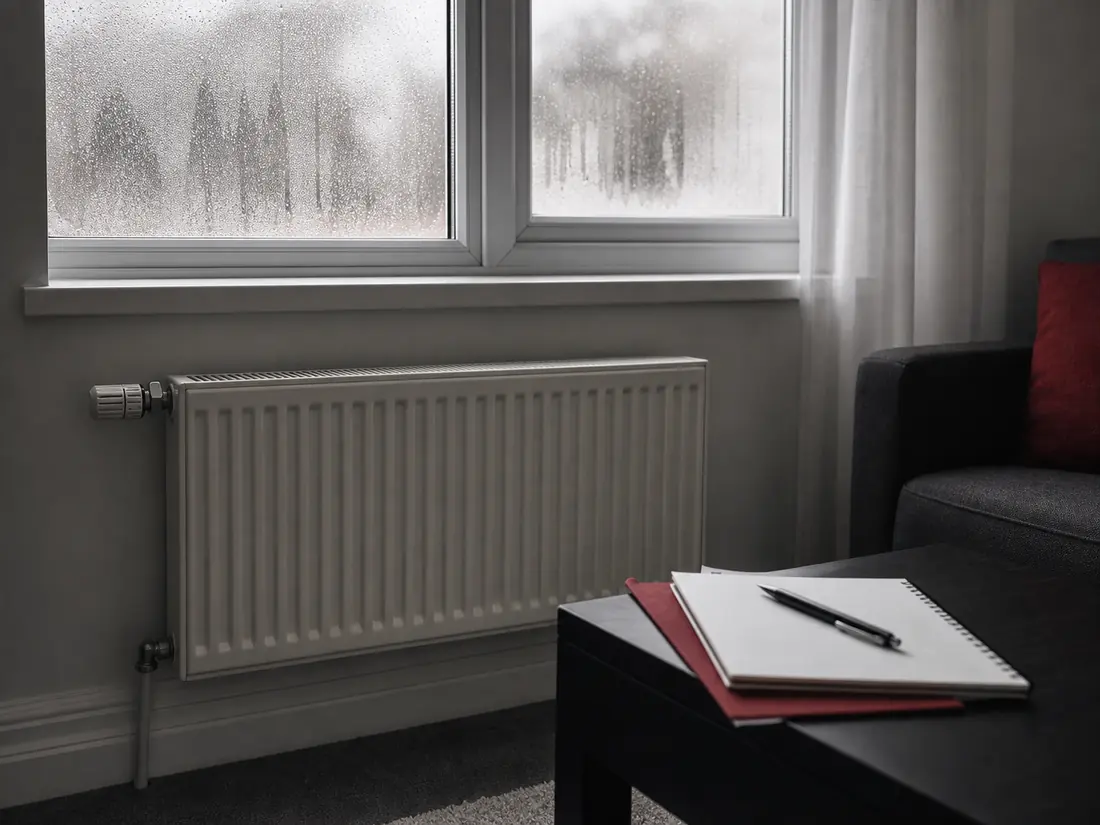
Broken boilers, faulty radiators, hot water loss, or repeated heating failures can affect basic comfort and safety.
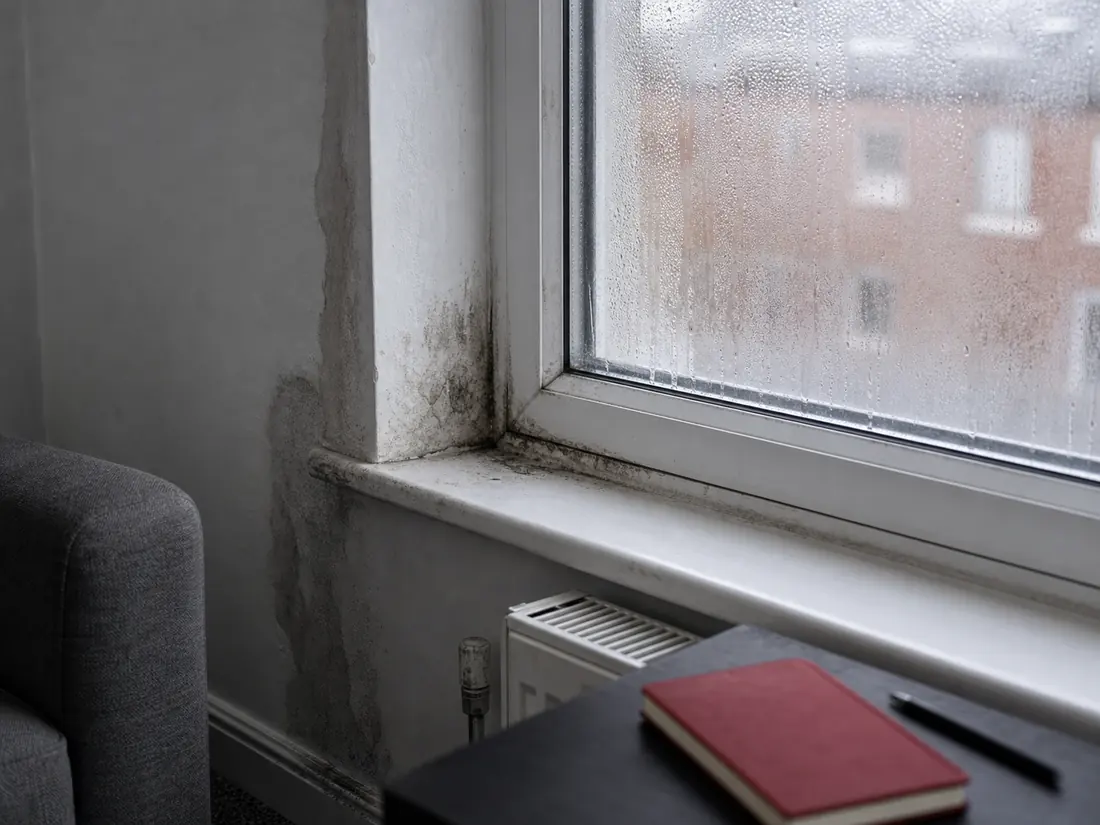
Rotting frames, failed seals, broken locks, draughts, or water entry around windows and doors may be relevant.
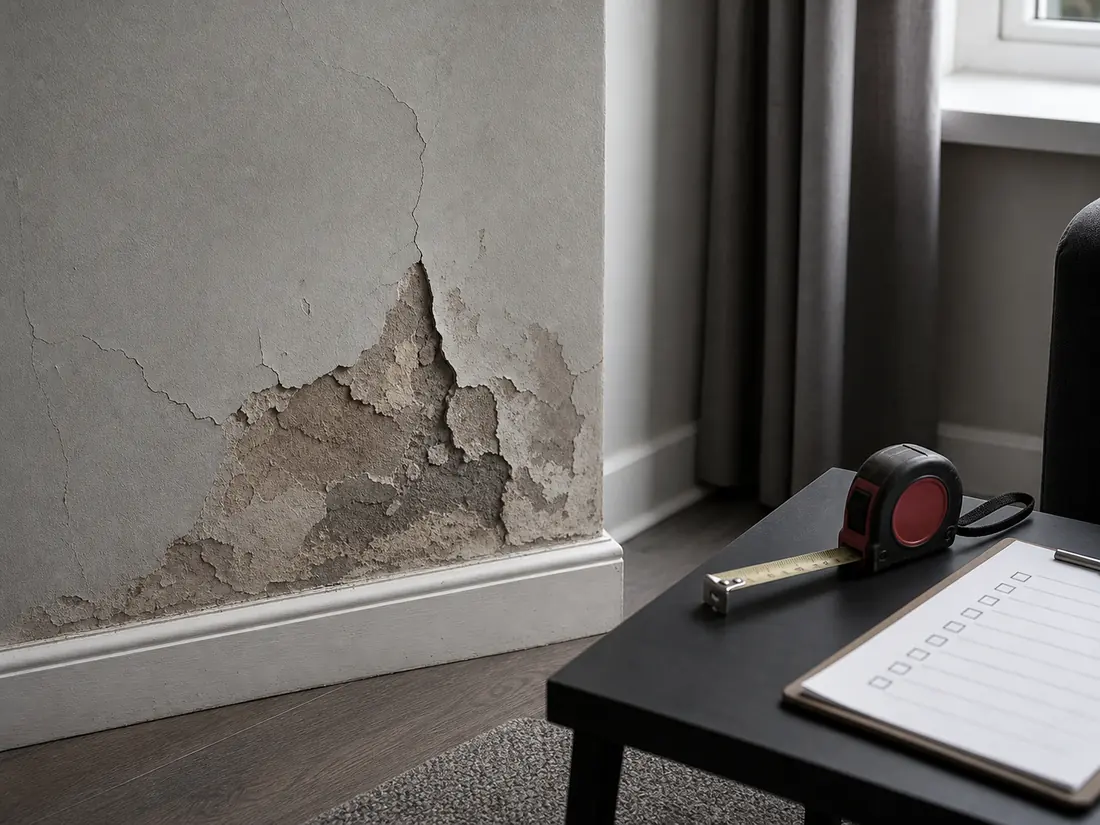
Damaged plasterwork, cracks, unsafe walls, damaged flooring, or recurring structural repair issues can be included.
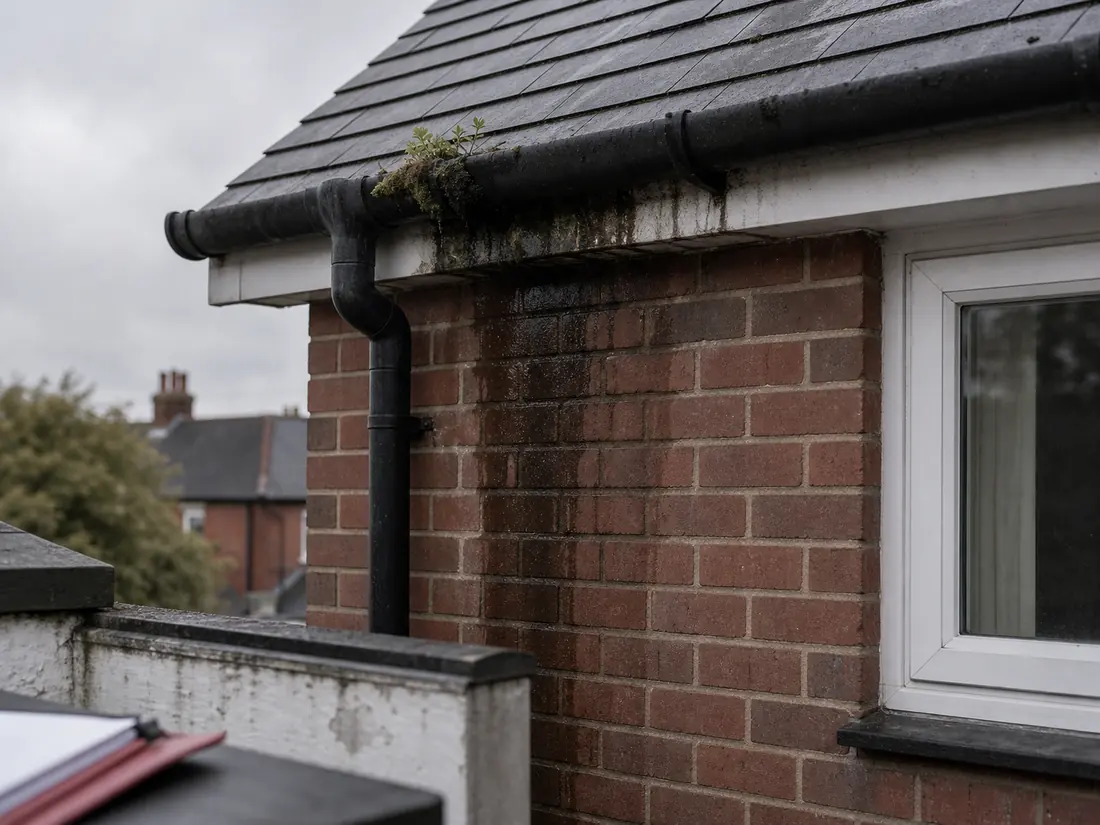
Blocked gutters, external pipes, drains, and roofline defects can lead to damp or water damage inside the home.
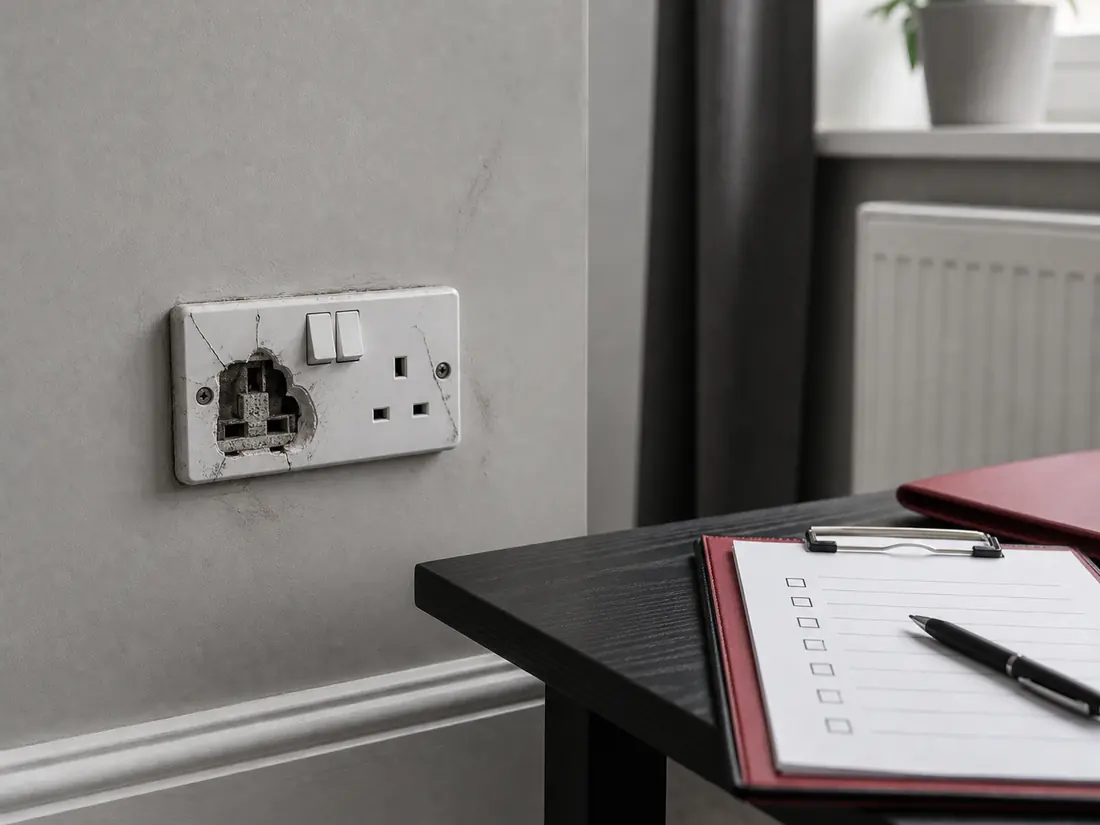
Faulty sockets, damaged fittings, exposed wiring, or repeated electrical faults should be handled carefully and reported promptly.
Broken sanitary fittings, bathroom repairs, kitchen defects, infestations, damaged stairs, floors, fences, or gates may also be relevant.
A calm route for organising the enquiry before any further review is considered.
Use the form to explain the issue, where it is in the property, and who the landlord or housing provider is.
Dates, repair references, complaint messages, inspection visits, and photos help create a clearer first picture.
If contact is appropriate, ClaimGrid may explain what further information could be needed. No outcome is guaranteed.
You do not need perfect paperwork to begin. A few clear details are more useful than a long legal statement.
Show the issue clearly, including the affected room or fitting.
Note when it started, when it was reported, and how it was reported.
Include council, housing association, letting agent, or landlord information.
Explain if rooms cannot be used, belongings were damaged, or health was affected.
Start with a short housing disrepair enquiry. ClaimGrid can help organise the facts, but submitting the form does not guarantee eligibility, acceptance, or compensation.
General information only. Individual outcomes depend on the facts and any professional review.
Housing disrepair usually means a rented home needs repairs that affect the structure, exterior, heating, hot water, sanitation, electrical systems, safety, or basic use of the property. Examples include damp, mould, leaks, faulty heating, damaged windows, unsafe electrics, and broken bathroom or kitchen fittings.
It is usually important to show that the repair issue was reported or that the landlord or housing provider should have known about it. Written records, repair portal updates, emails, texts, and complaint reference numbers can all help.
Yes, you can send an enquiry if the issue involves a council or housing association property. You can also use the form if you are not sure how your landlord type affects the next step.
Yes, you can send the basic details. Different routes may apply depending on the tenancy, landlord, evidence, and repair history. ClaimGrid will not treat the form as a guarantee that the matter can proceed.
Keep photos, videos, dates, messages, emails, letters, repair references, inspection notes, and any short notes about how the issue affects the household. Avoid sending sensitive documents through the first form.
No. ClaimGrid provides general claim enquiry support and information handling. This page does not provide legal advice, and submitting an enquiry does not guarantee eligibility, acceptance, or compensation.