Housing Disrepair Claim

Are you tired of waiting for your landlord to fix recurring housing issues? Whether it’s persistent damp, electrical faults, or structural damage, you don’t have to struggle alone. CLAIMGRID provides a streamlined, hassle-free path to understanding your options and pursuing the repairs your property may need. Complete our brief form to start an enquiry today.

From the moment you share a few simple details, our team carefully converts your information into a properly prepared enquiry. We collate the evidence, structure the case, and check the key requirements. With the backing of our trusted panel of solicitors, we provide clear support and act firmly on your behalf where a claim can proceed, seeking repair action and any compensation that may be available.

Can you start a housing disrepair enquiry if repairs have not been fixed?
Yes. If you have reported damp, mould, leaks, heating, electrical, structural, pest, or other repair problems and they have not been dealt with properly, keep dated evidence and continue reporting the issue in writing. The next step is to share the landlord type, report dates, replies, photos, and any impact so the situation can be reviewed without assuming a claim outcome.

Around 700+

client enquiries handled

95.1%

positive client feedback
Step 1 of 3 0%
Disrepair issue

Select all repair problems and briefly describe what happened.

Main Repair Issue
Landlord and report history

Tell us who is responsible for repairs and whether the issue has already been reported.

Your contact details

Add the best contact details for a follow-up about this housing enquiry.

Housing Disrepair Case Studies

Examples of tenants who pursued housing issues and achieved repairs or compensation based on their circumstances.

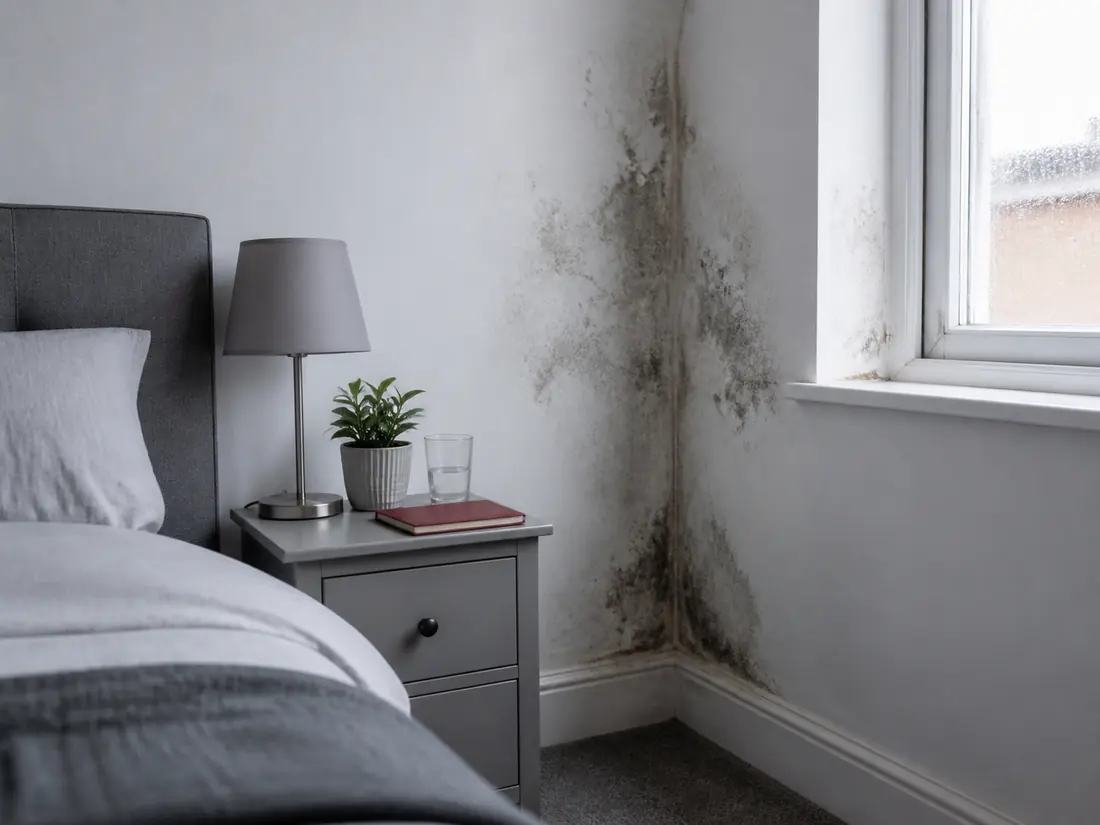
Black mould in bedroom corner

Case Study 1: Sarah’s Story – The Hidden Dangers

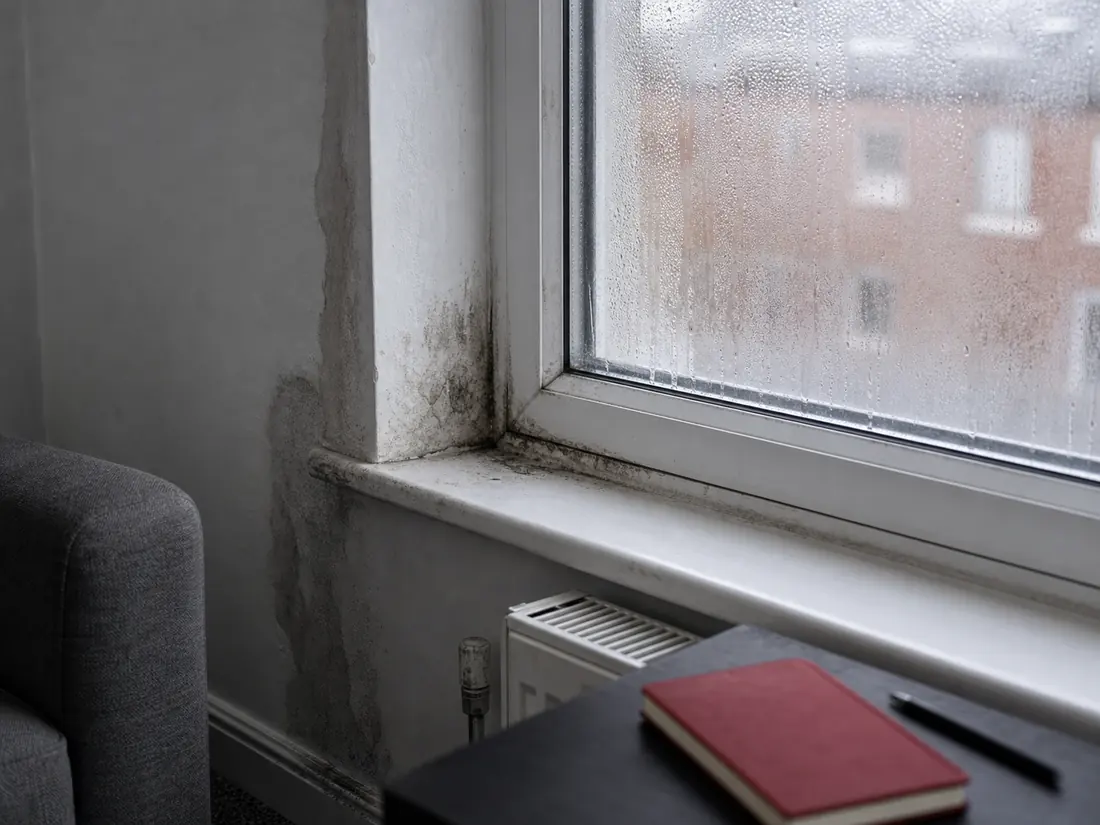
Sarah had been reporting persistent black mould in her bedroom for over a year, receiving advice to simply "open a window"...

Read full story →
Water damage leak on kitchen ceiling

Case Study 2: Victor’s Story – The Unresolved Leak

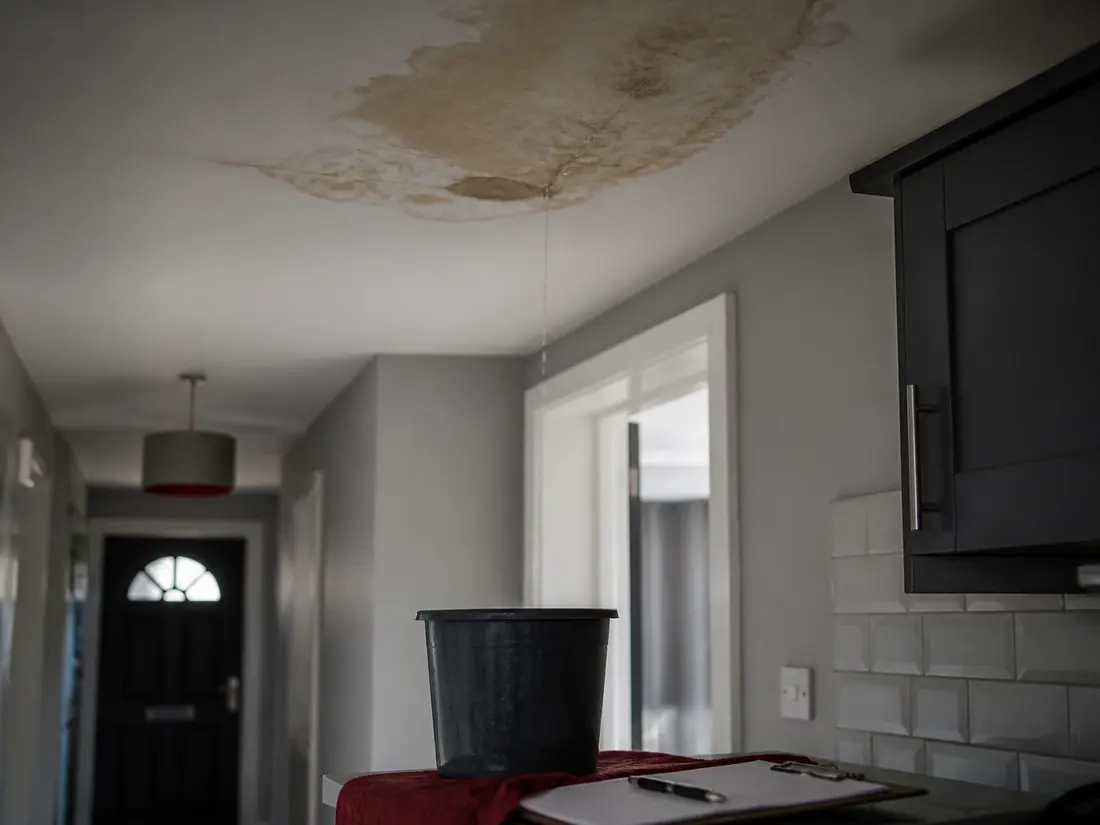
A leak in Victor’s kitchen ceiling had been worsening for months, eventually causing water damage and unsafe electrics...

Read full story →
Boiler heating system repair notes

Case Study 3: Mrs. Lawrence’s Story – Persistent Neglect

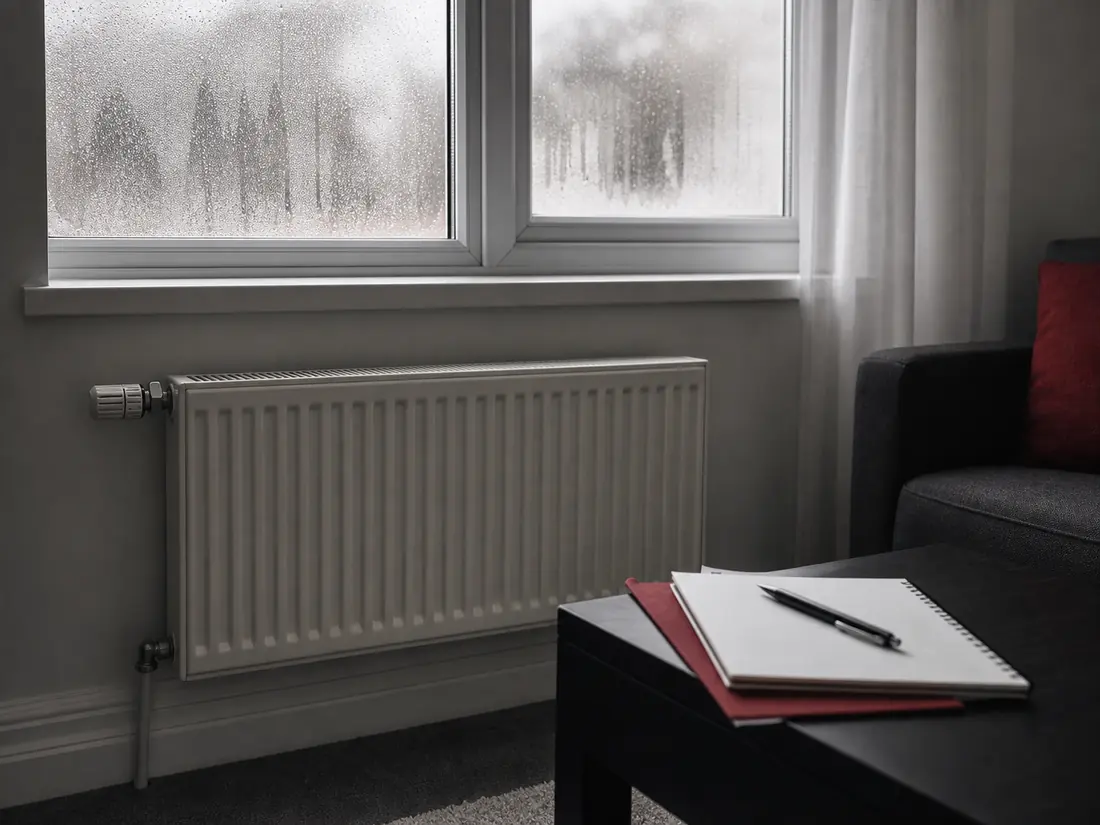
Mrs. Lawrence was left living with a broken heating system throughout the winter, receiving only vague promises of maintenance...

Read full story →

Find Out If You Can Claim for Housing Disrepair

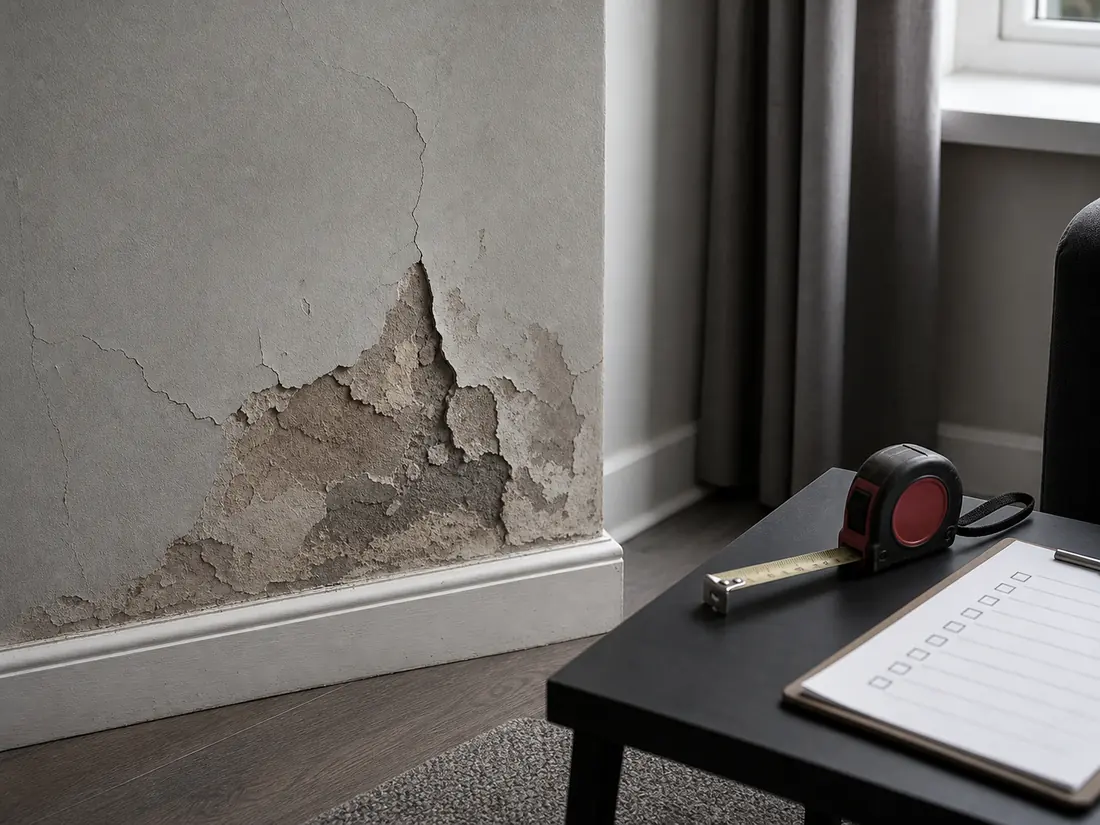
Living in a property that is falling into disrepair is stressful, but you don’t have to accept it as the norm. If your landlord or housing provider has failed to address significant issues that affect your health or the safety of your home, you may be entitled to claim. At CLAIMGRID LTD, we help you quickly establish whether your situation qualifies for a claim, providing a clear, transparent path to getting the repairs and potential compensation that may be available. Take a moment to check your eligibility below and understand what your next step could be.

Repeatedly reported issues with no action taken by the landlord. More than three months have passed since first reporting the defect. Substandard repair attempts that failed to resolve the issue. Deteriorating home conditions affecting your health or wellbeing.
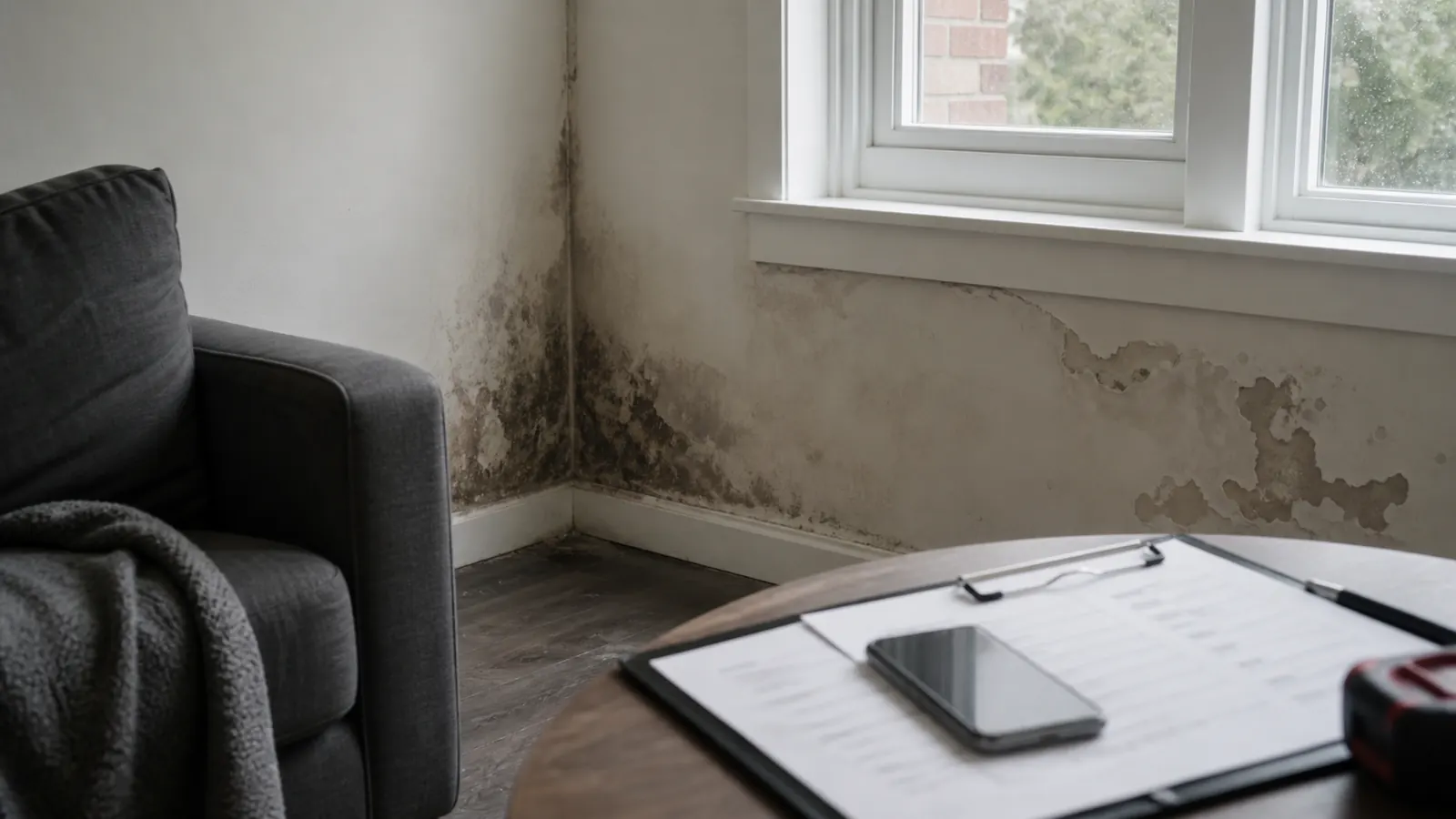
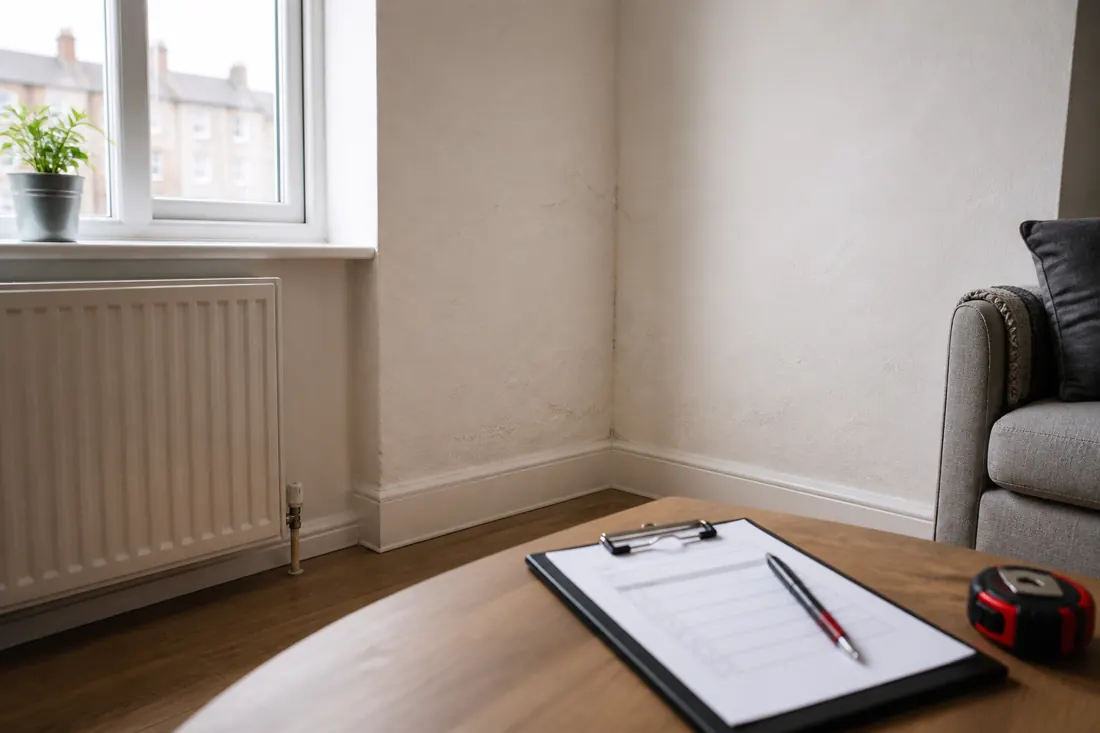
Damp staining near a window with a repair clipboard and phone on a table

What disrepair issues are you able to claim for?

Our Simple 3-Step Claims Process

Navigating a housing disrepair claim does not need to be complicated. We have designed a streamlined, professional process to help you pursue repairs and any compensation that may be available.

01

Submit Your Enquiry

Complete our secure online form with the basic details of your situation. This allows our team to assess your circumstances and explain how we may be able to assist you.

02

Specialist Legal Support

Once your enquiry is reviewed, we may connect you with a specialist solicitor. If your case is accepted, they can manage communications with your landlord or housing provider and advise on the legal steps available.

03

Pursue Repairs & Compensation

Our goal is to help progress the matter efficiently. We work to seek appropriate remedial works and any compensation that may be justified by the distress and inconvenience caused.

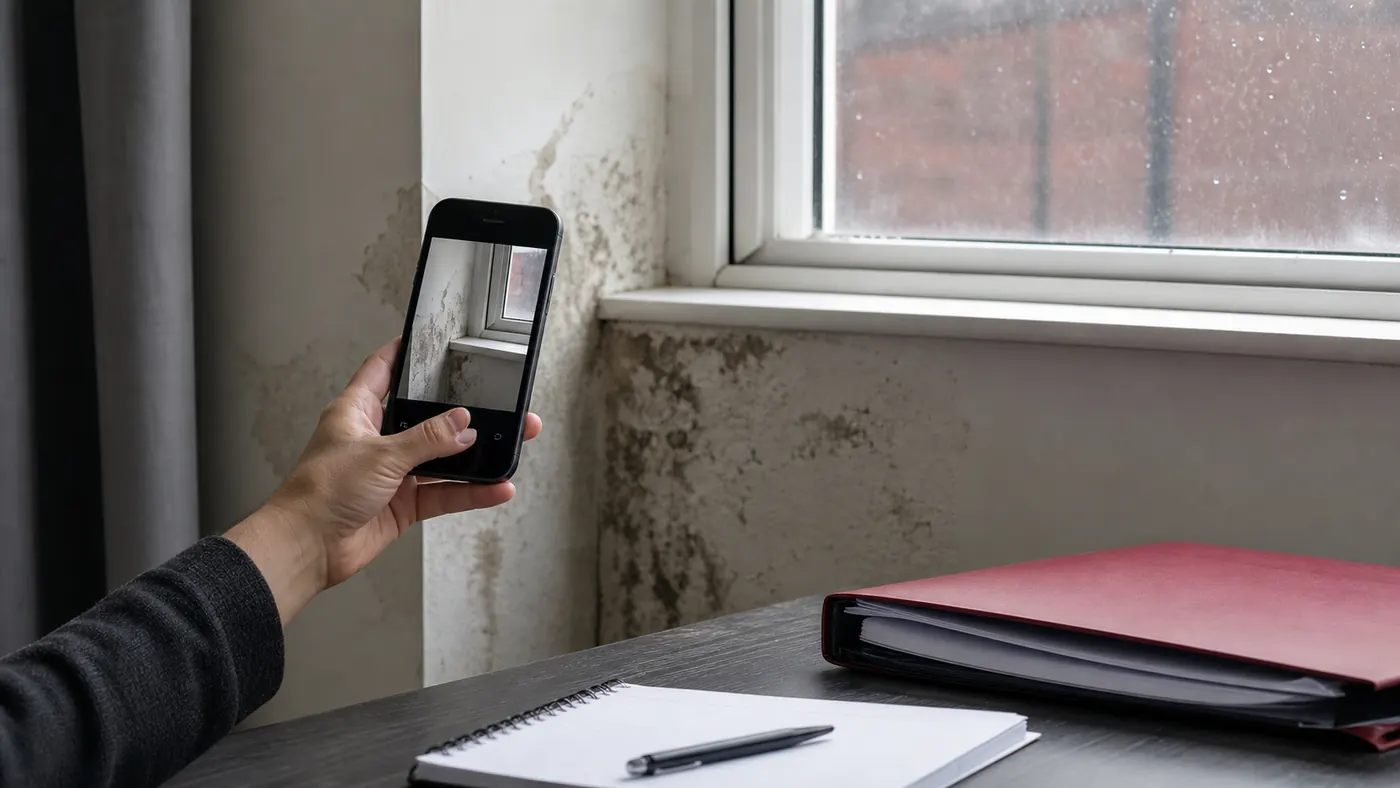
A phone photographing damp near a window with a folder and notebook on a table

Information That Helps Your Enquiry

You do not need perfect paperwork to begin. A few clear details are more useful than a long legal statement.

Photos and videos

Show the issue clearly, including the affected room or fitting.

Dates and reports

Note when it started, when it was reported, and how it was reported.

Landlord details

Include council, housing association, letting agent, or landlord information.

Impact notes

Explain if rooms cannot be used, belongings were damaged, or health was affected.

Check Your Claim Eligibility Instantly

Frequently Asked Questions

What is the definition of housing disrepair?

Housing disrepair refers to a situation where the condition of a rented property has deteriorated or become unsafe due to a landlord’s failure to carry out necessary maintenance. This often manifests as structural defects, heating system failures, or persistent issues such as damp and mould. If your living conditions have been impacted by these failures, you may be entitled to claim compensation from your landlord by pursuing a housing disrepair claim.

What are my landlord's responsibilities?

In accordance with the Landlord and Tenant Act 1985, landlords have a statutory obligation to ensure that their rental properties are kept in a proper state of repair. Specifically, they are legally responsible for:

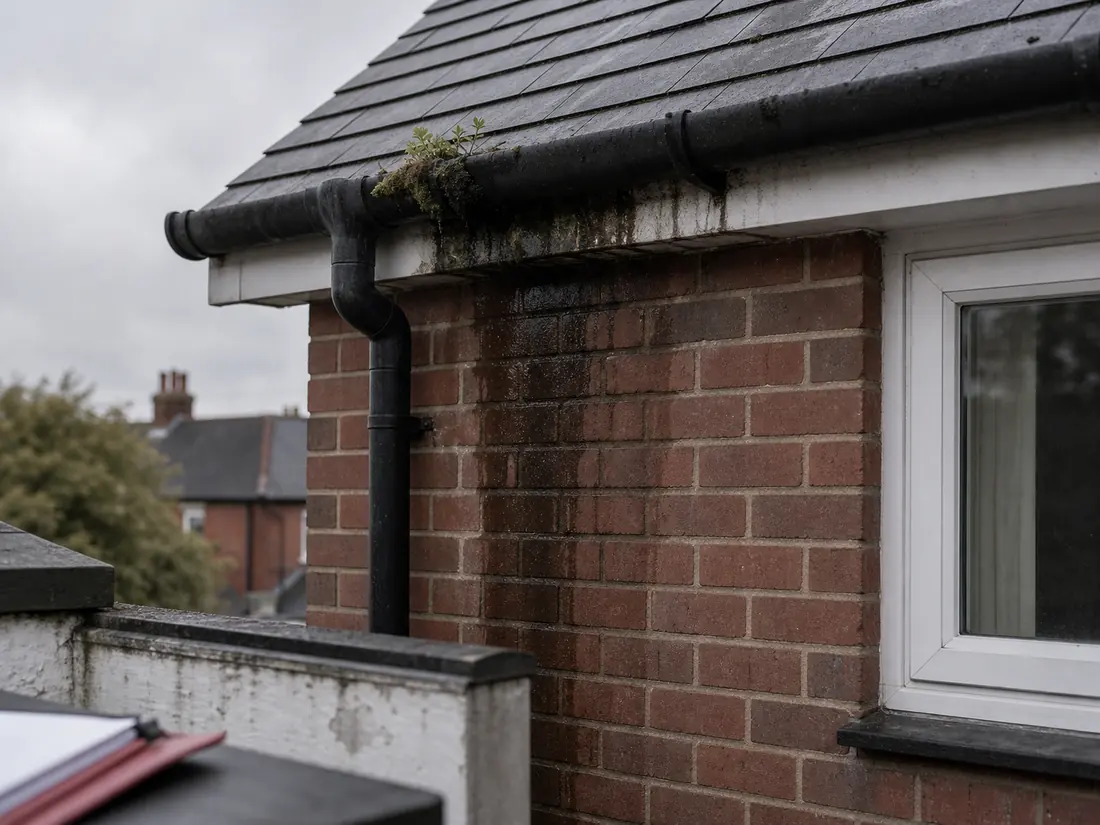
  • Structural Integrity: Maintaining and repairing the roof, walls, foundations, and external structure of the property.
  • Heating and Hot Water: Ensuring that all central heating systems and water heating installations remain fully functional.
  • Sanitation and Plumbing: Keeping all drainage, sewage, and plumbing systems in good working order.
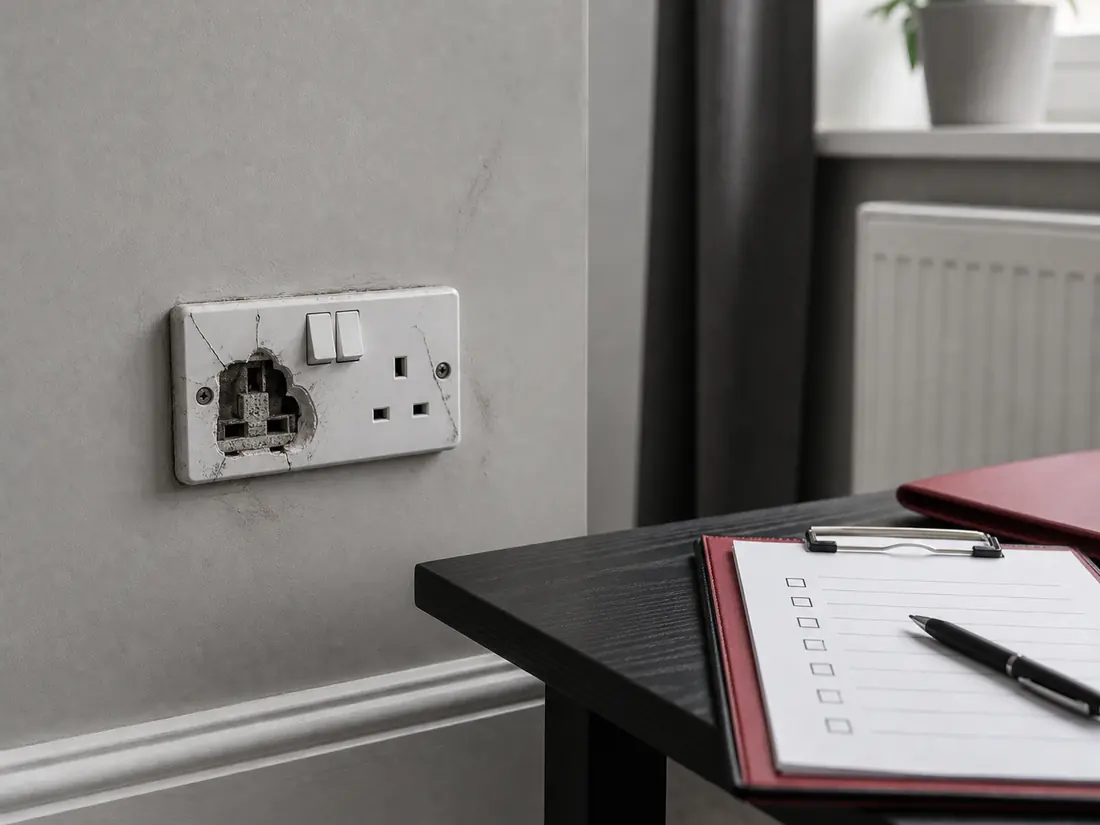
  • Electrical Safety: Ensuring that all electrical wiring is fully operational and compliant with safety standards.
  • Pest Control: Taking necessary steps to manage and resolve any infestations that affect the habitability of the home.

Should your landlord fail to uphold these legal duties, you may be entitled to file a housing disrepair claim to secure both the necessary repairs and appropriate compensation.

When can I make a housing disrepair claim?

You are generally eligible to initiate a claim when you have formally notified your landlord of issues within your rental property, and they have failed to resolve them within a reasonable timeframe. It is essential that you have provided proper notice—ideally in writing—and that you have retained a clear record of all correspondence regarding these defects.

  • Have you formally notified your landlord of the disrepair?
  • Has your landlord failed to resolve the issue within a reasonable timeframe?
  • Can you substantiate these claims with evidence (e.g., photographs, emails, or repair logs)?
How do I make a housing disrepair claim?

Filing a housing disrepair claim is a straightforward process when you have the right support. Follow these key steps to get started:

  • Formally report the issue to your landlord or housing provider in writing, ensuring you keep a copy of your correspondence.
  • Document the issues thoroughly. Take clear photographs, save all communication records, and retain any medical reports if the disrepair has adversely affected your health.
  • Get in touch with our team to discuss your situation. We will assess your position and provide guidance on the next steps.
  • Once you are ready, we will help you begin the formal claims process and handle all negotiations and legal communications on your behalf.
How much will it cost to pursue my housing disrepair claim?

At CLAIMGRID, we are committed to making justice accessible to all, which is why our solicitors on panel operate on a "No Win, No Fee" basis, formally known as a Conditional Fee Agreement. This usually means you do not pay upfront legal fees. If your claim is unsuccessful, solicitor fees should not usually be payable, provided you meet the terms of the agreement. If your claim succeeds, legal fees are covered as a pre-agreed percentage of the compensation awarded to you, so the costs are explained before you proceed.

How much compensation can I receive for a housing disrepair claim?

There is no fixed compensation for housing disrepair, as each case is unique. The amount awarded depends on a variety of factors, including the severity of the disrepair, the duration the issue remained unresolved, and the overall impact on your daily life. Generally, compensation is calculated by assessing the "loss of amenity" essentially, a percentage reduction in the rental value of your property for the period you were forced to live with the defects.

How long does a housing disrepair claim take to resolve?

The duration of a housing disrepair claim varies significantly depending on the specific circumstances of your case. While a straightforward matter with clear evidence and landlord cooperation may be resolved within a few months, more complex cases particularly those where the landlord disputes the claim or fails to engage can take longer. At CLAIMGRID LTD, our priority is to progress your case as efficiently as possible, helping you pursue repairs and any compensation that may be available without unnecessary delay.

What are the time limits for making a housing disrepair claim?

In the UK, the legal time limits for bringing a claim are strictly defined, and it is important to act promptly to protect your right to compensation:

  • Housing Disrepair: Generally, you have six years from the date you first reported the disrepair to your landlord (or from when the landlord failed to remedy the issue) to bring a claim for damages.
  • Personal Injury: If you have suffered a physical or mental health injury as a direct result of the disrepair, the limitation period is three years from the date of the injury or from the date you first became aware that your condition was linked to the property's condition.